Flying Carpets [Edition of 5+2 ap, 70x90 cm.]
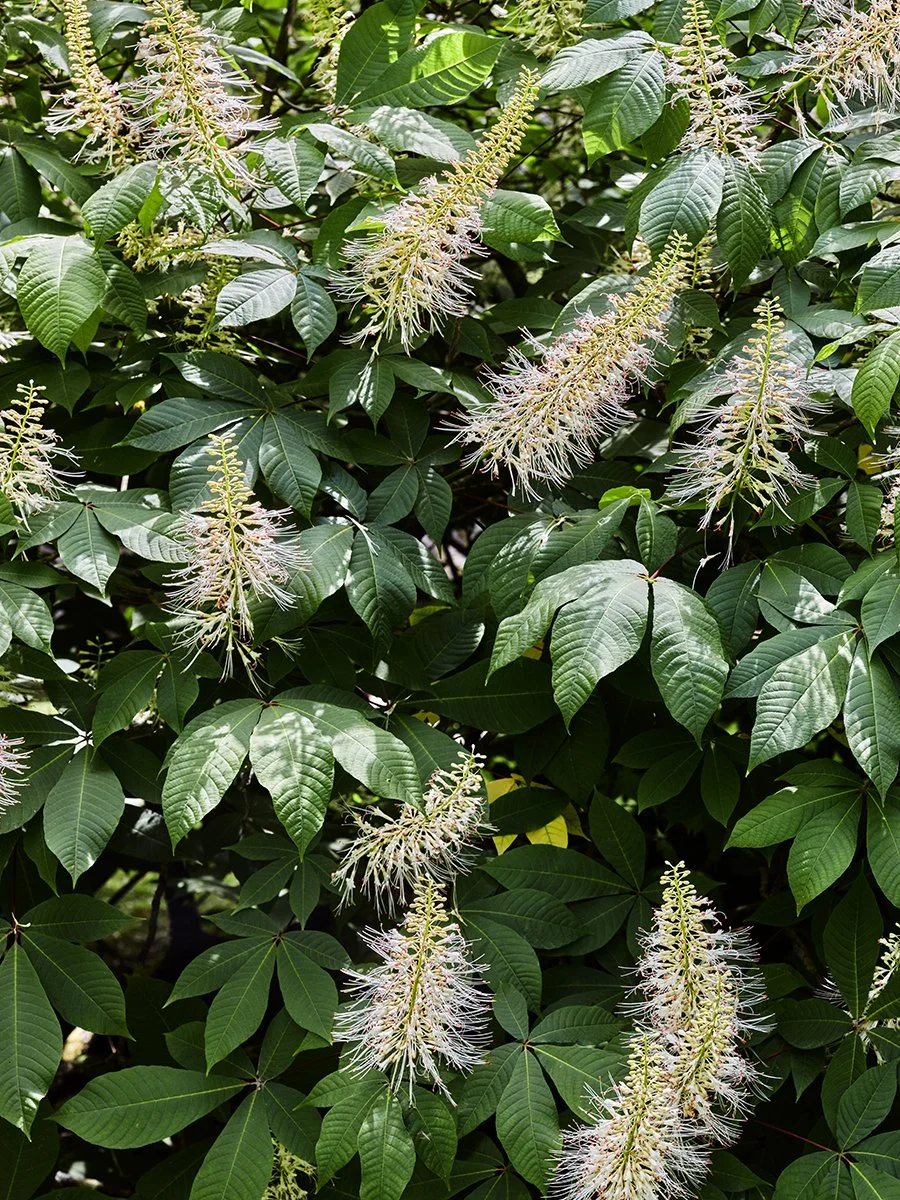
Aesculus parviflora, 2020
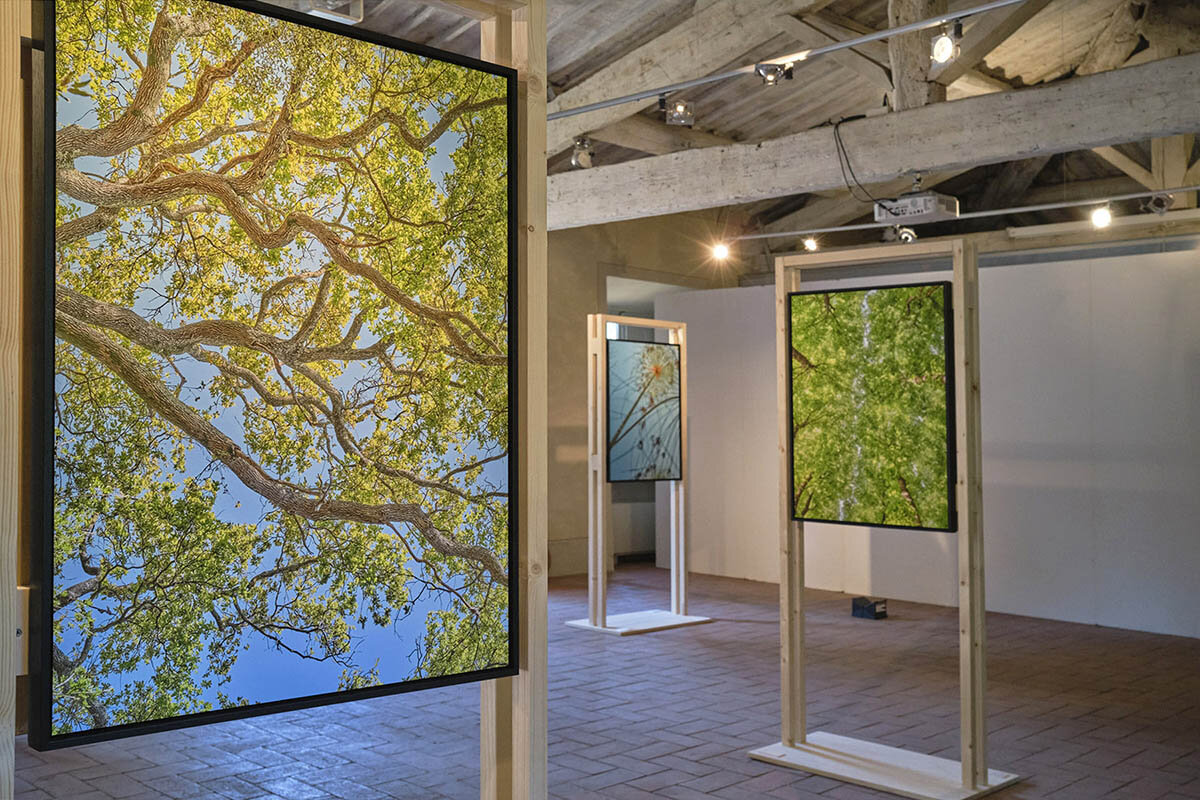
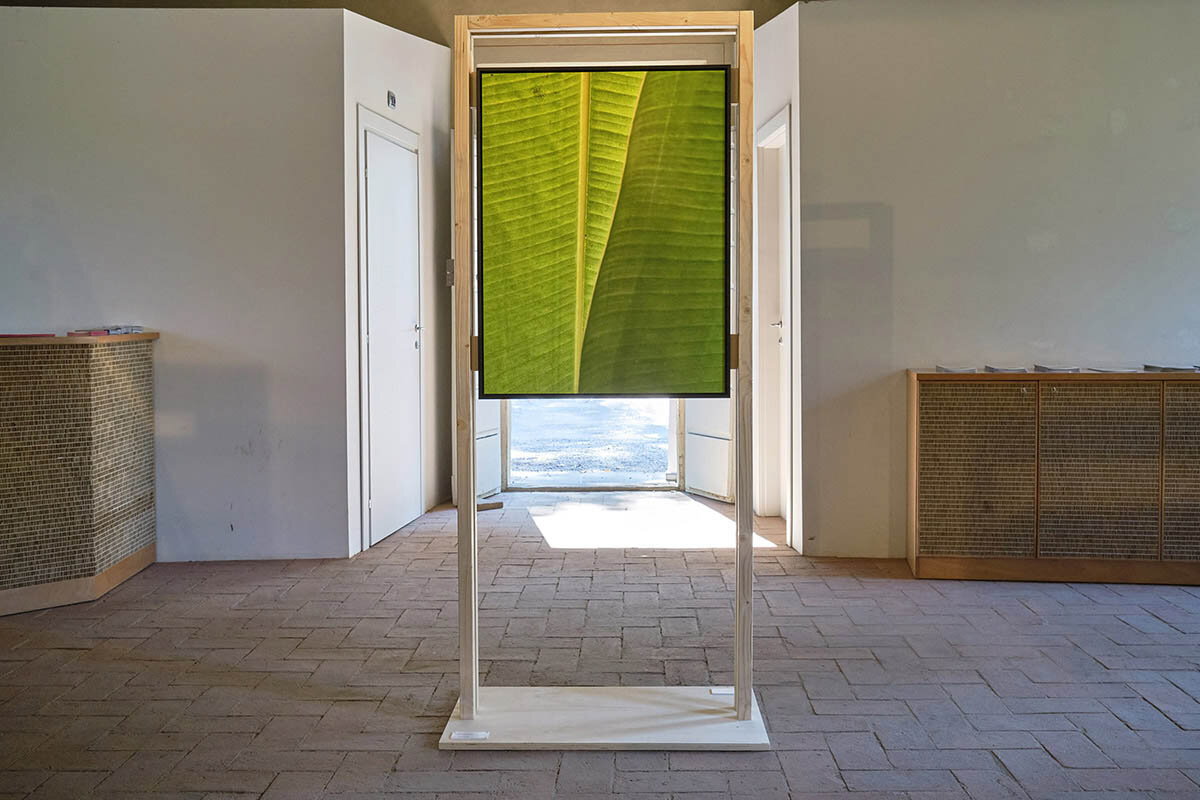
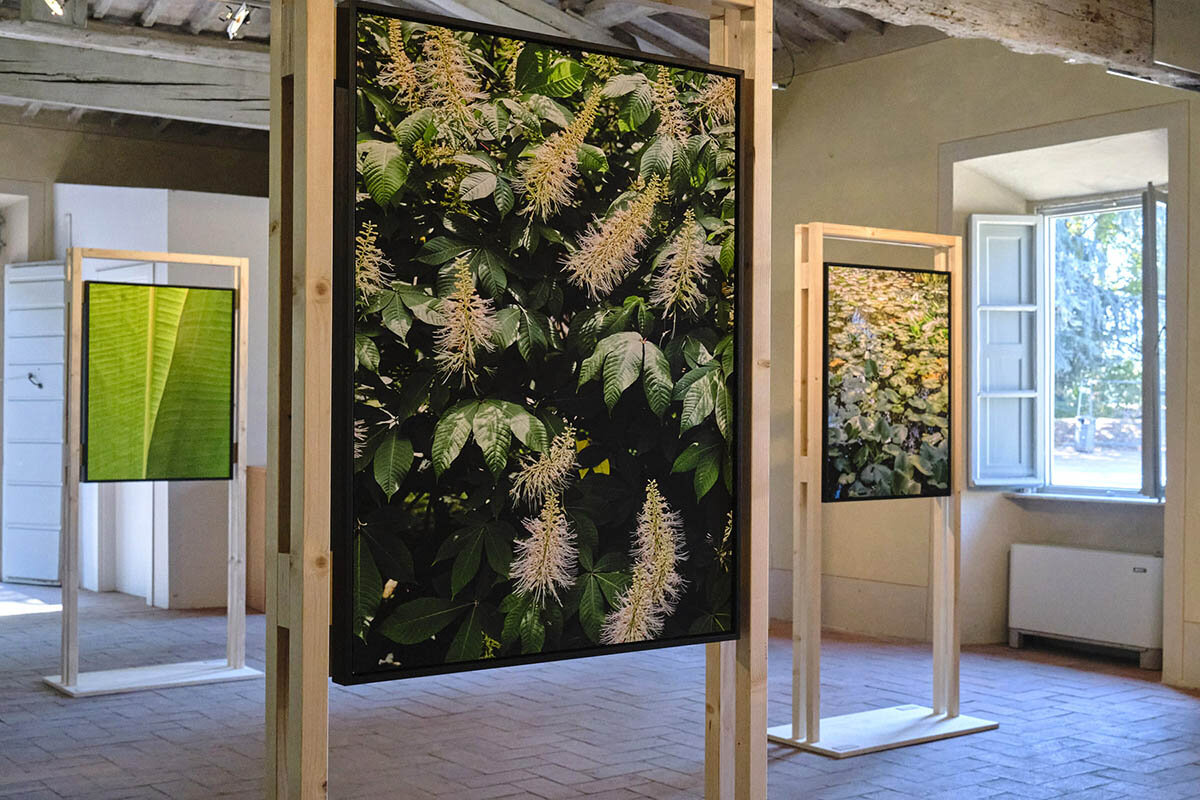
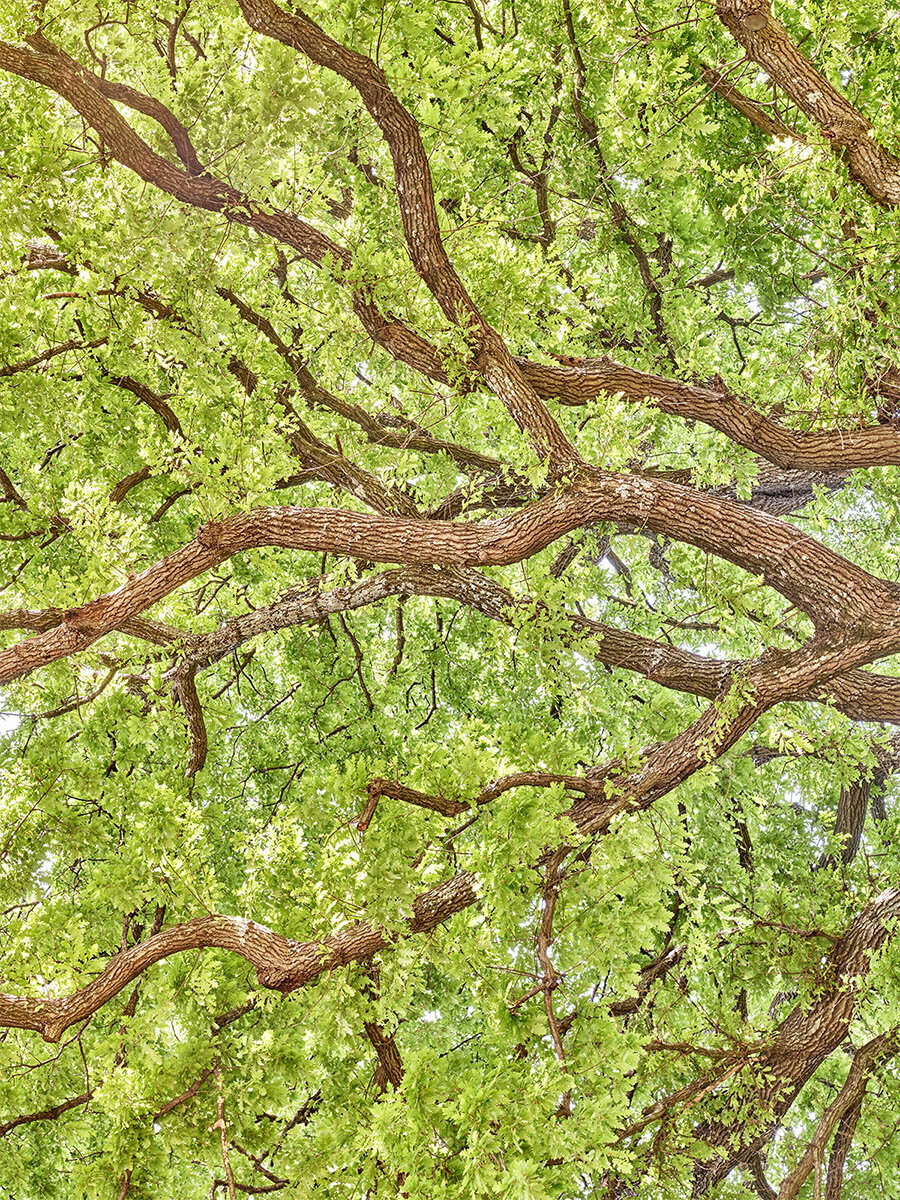
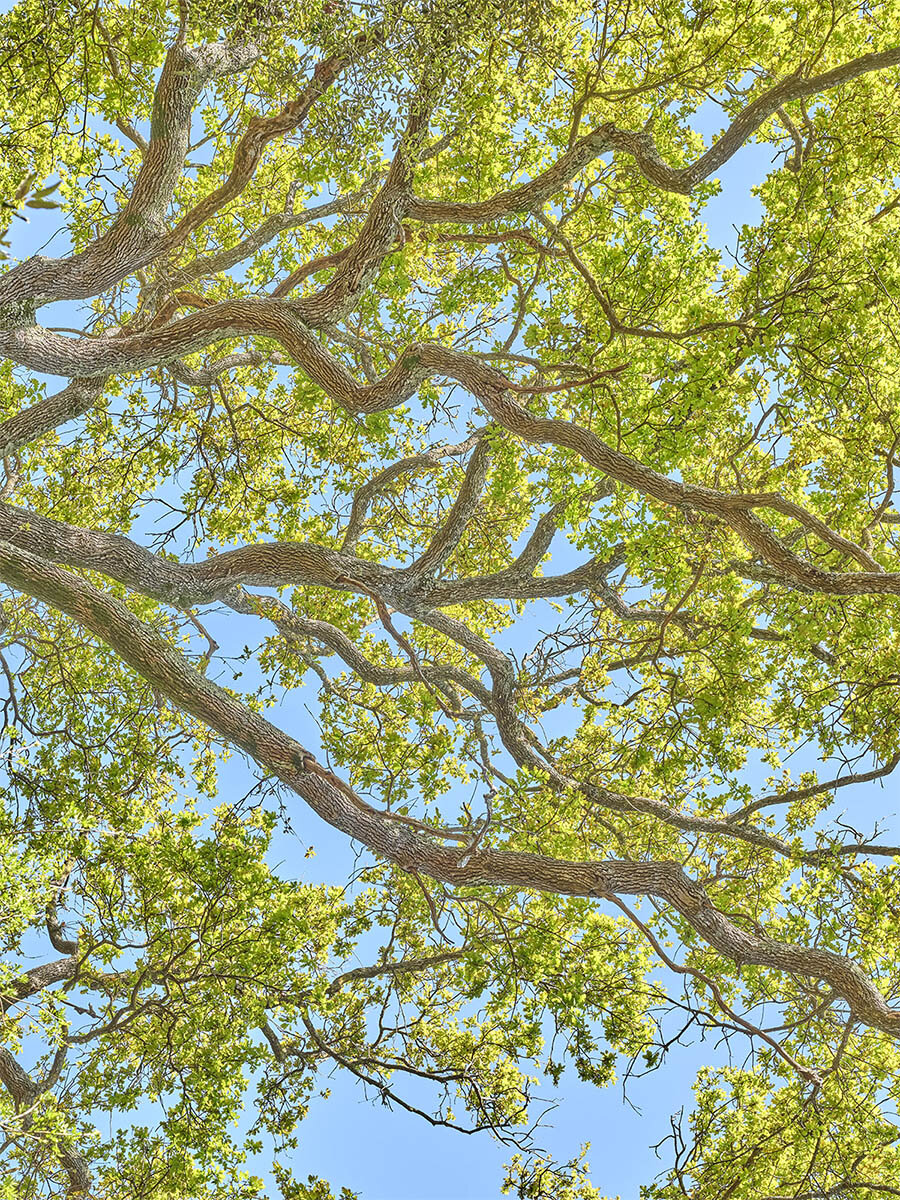
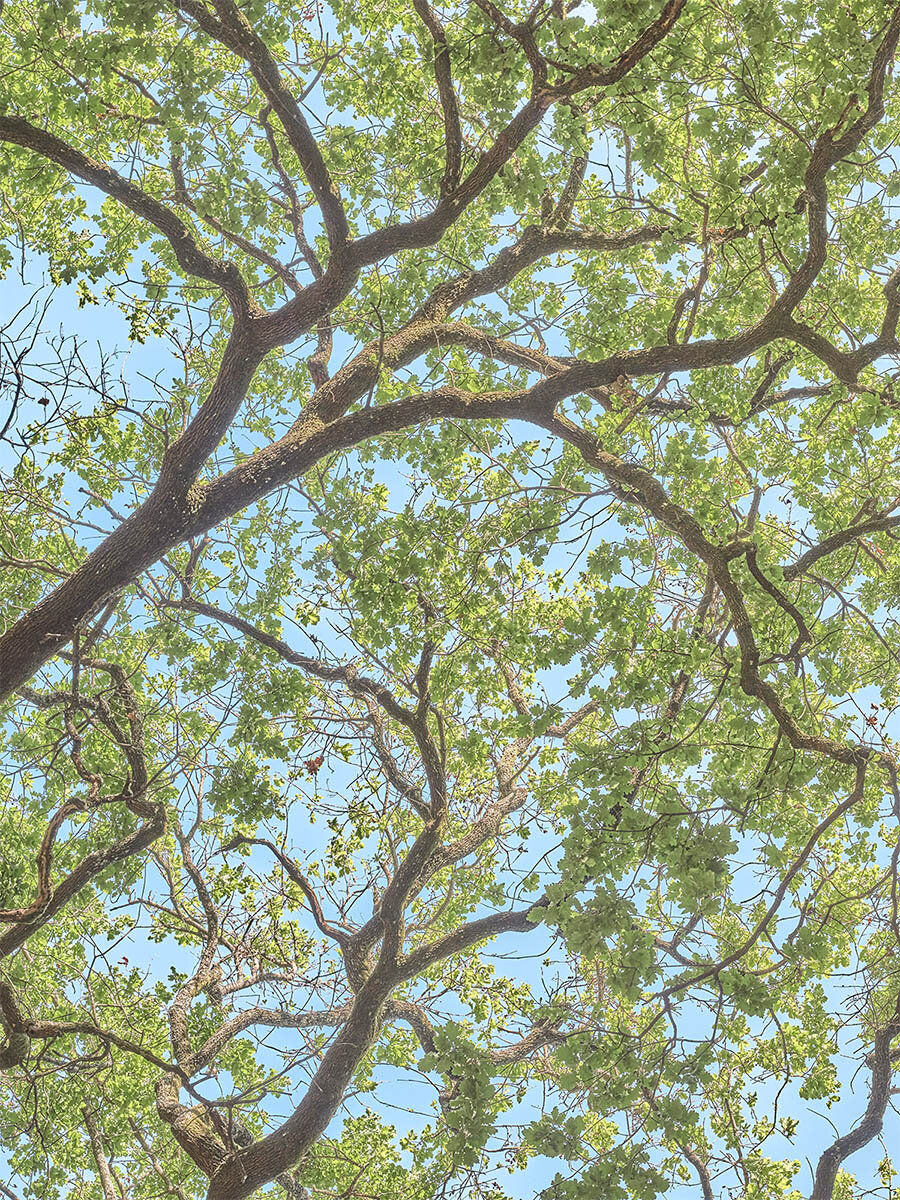
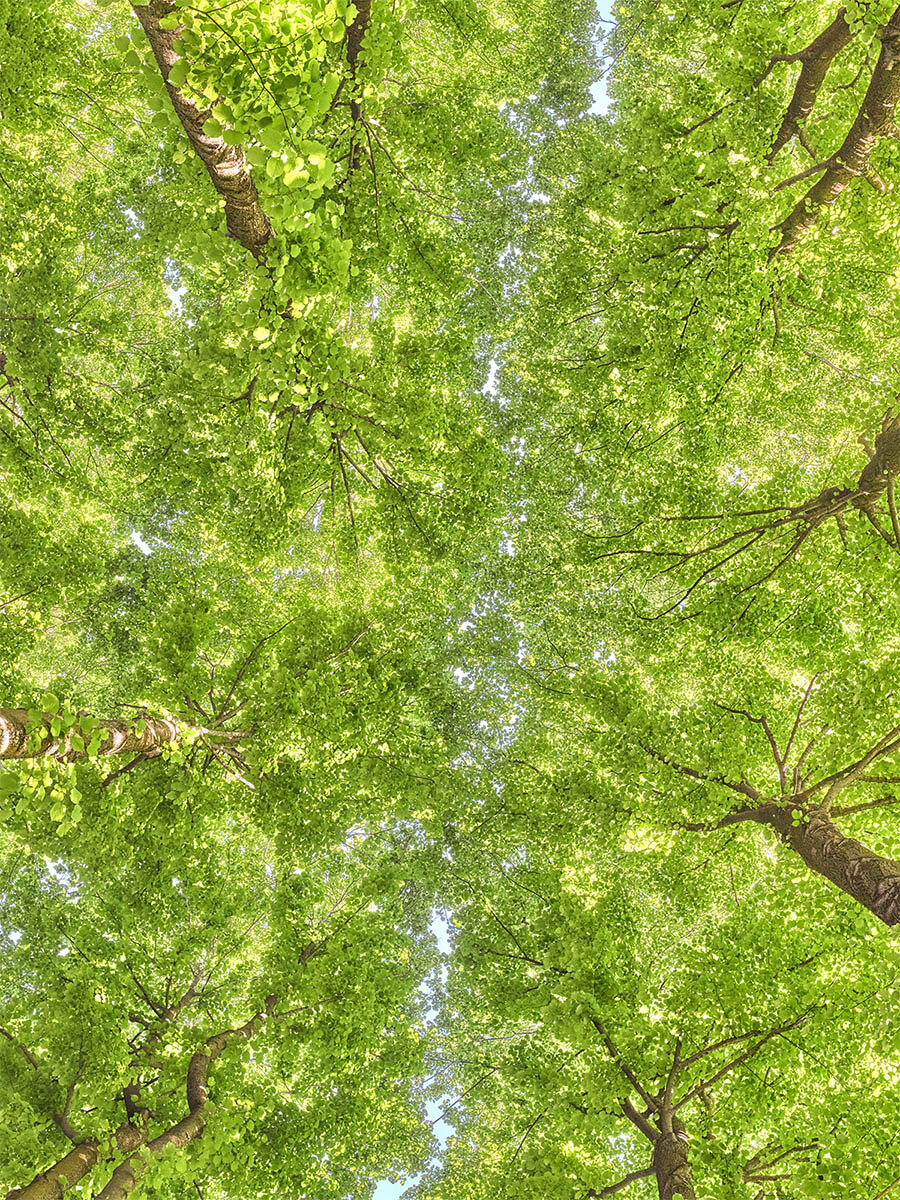
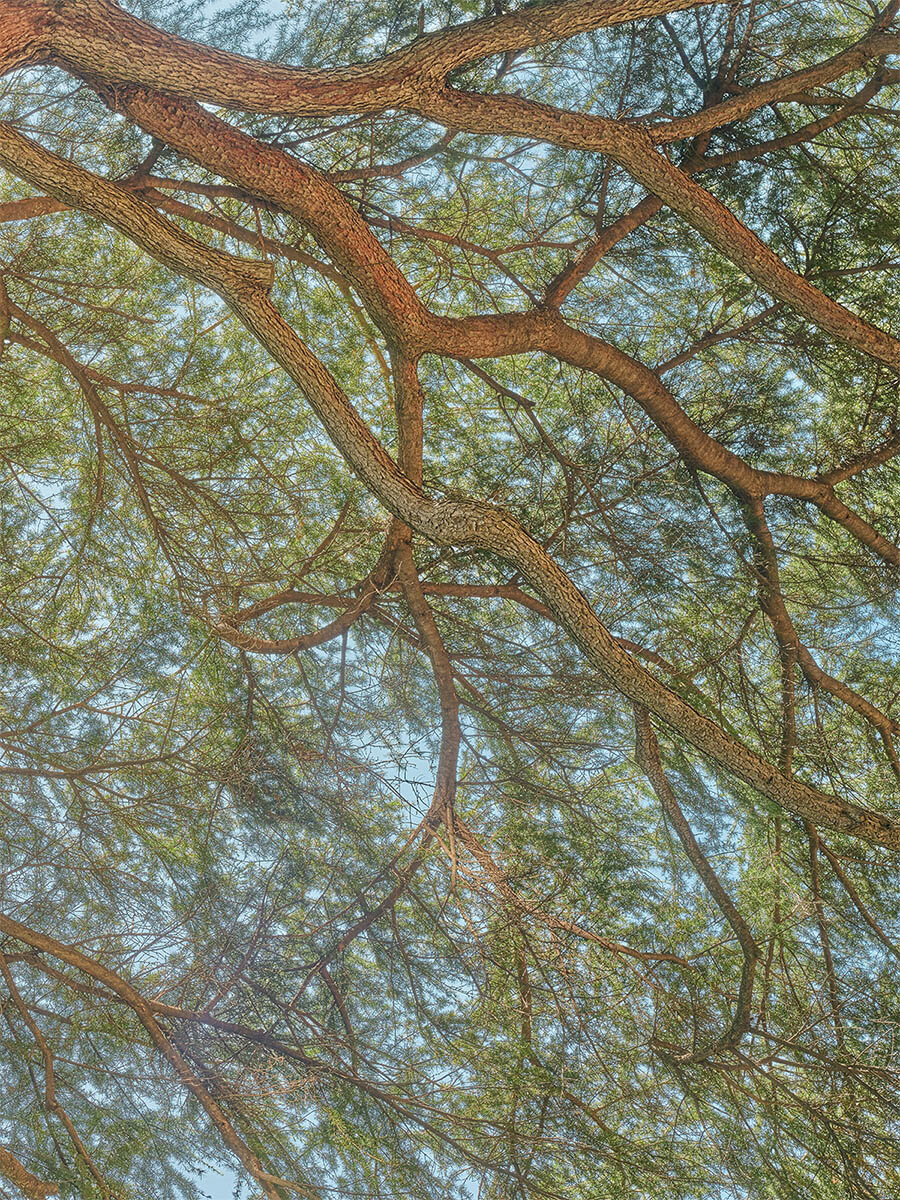
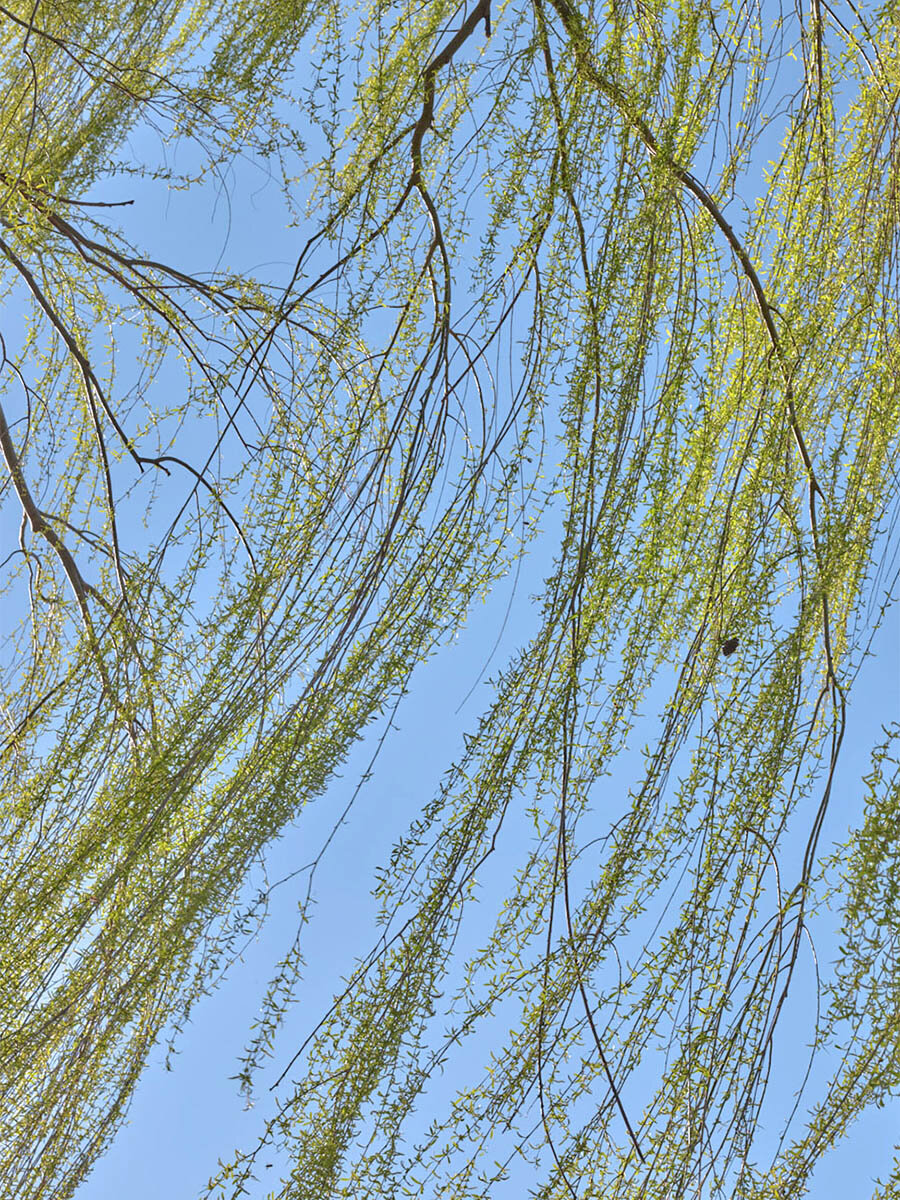
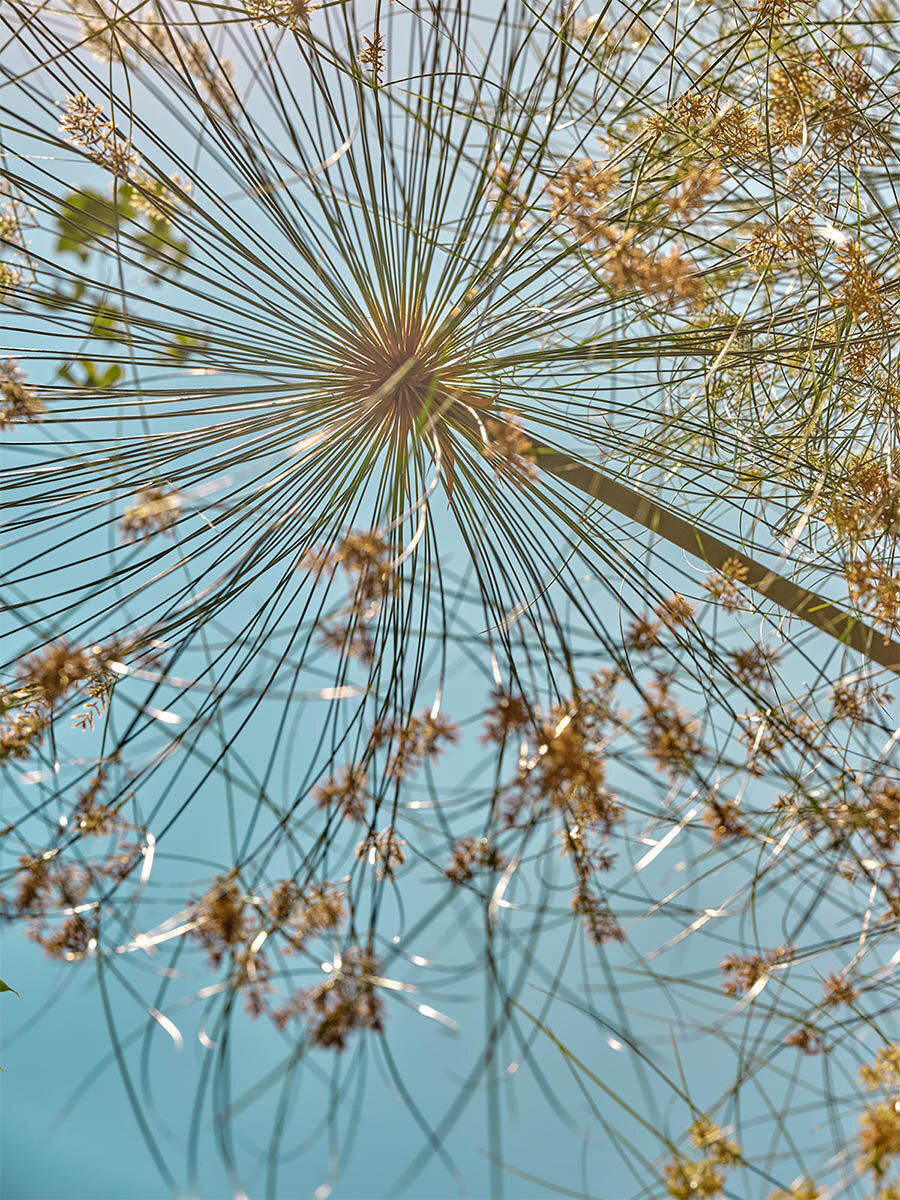
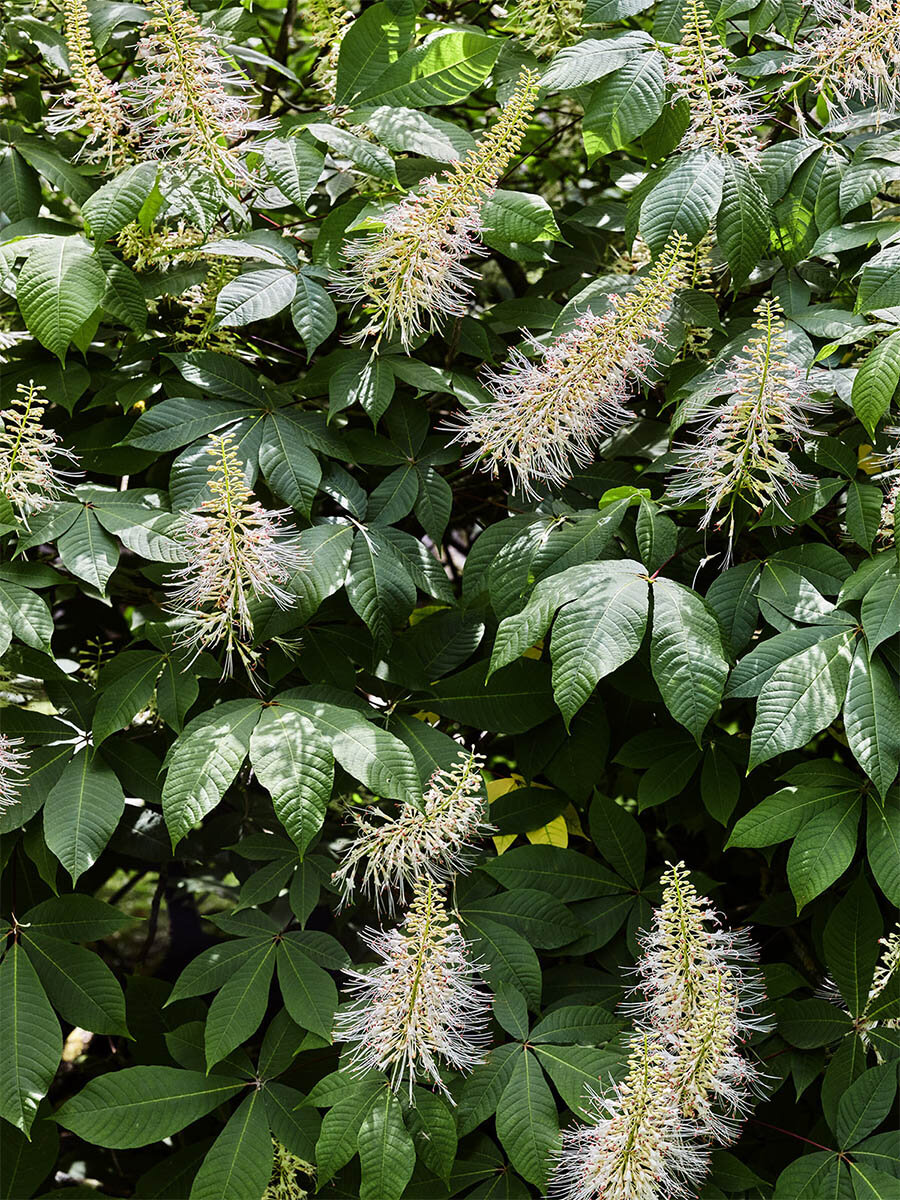

Exhibition Tappeti Volanti @ Festival del Possibile (Lucca, Italy) 2021
Questo lavoro è iniziato in un periodo particolare – marzo 2020 – quando viaggiare era impossibile e la nuova frontiera era diventata la soglia di casa.
Eppure, nel cassetto degli eventi, accanto a quelli negativi, ce ne sono spesso altri tutt’altro che sgradevoli, come la capacità di osservare il mondo intorno a noi con rinnovata attenzione.
Sembra che Talete sia stato il primo a pronunciare la famosa frase «conosci te stesso». Secondo la tradizione, si riferiva ai limiti della nostra condizione umana, al riconoscimento della misura che definisce chi siamo. In questo senso, l’iscrizione comparve sul tempio di Apollo a Delfi. Ma ogni confine, se accettato, può anche diventare un punto di osservazione privilegiato: un limite che, invece di chiudere le cose, le apre al nostro sguardo.
Così, conoscere se stessi può anche significare conoscere il territorio che ci circonda, lo spazio entro cui la nostra esperienza prende forma. Perché un piccolo frammento del mondo sia interessante, non è necessario che sia lontano: basta abitare con cura ciò che è vicino a noi, riconoscere il valore di ciò che ci costituisce e ci ripara. La bellezza è tutto intorno a noi.
E così ho iniziato a guardare con sempre maggiore curiosità gli alberi che incontravo e, soprattutto, ad alzare la testa ogni volta che camminavo sotto di loro; ciò che all’inizio mi era apparso come un intrico caotico di rami e foglie si è trasformato in un motivo colorato ed elegante che mi ricordava i disegni dei tappeti persiani. Da lì, è stato un passo breve vedere ciò che osservavo come fossero dei tappeti volanti: del resto, l’immaginazione è un modo per conoscere meglio il mondo, non per fuggirne.
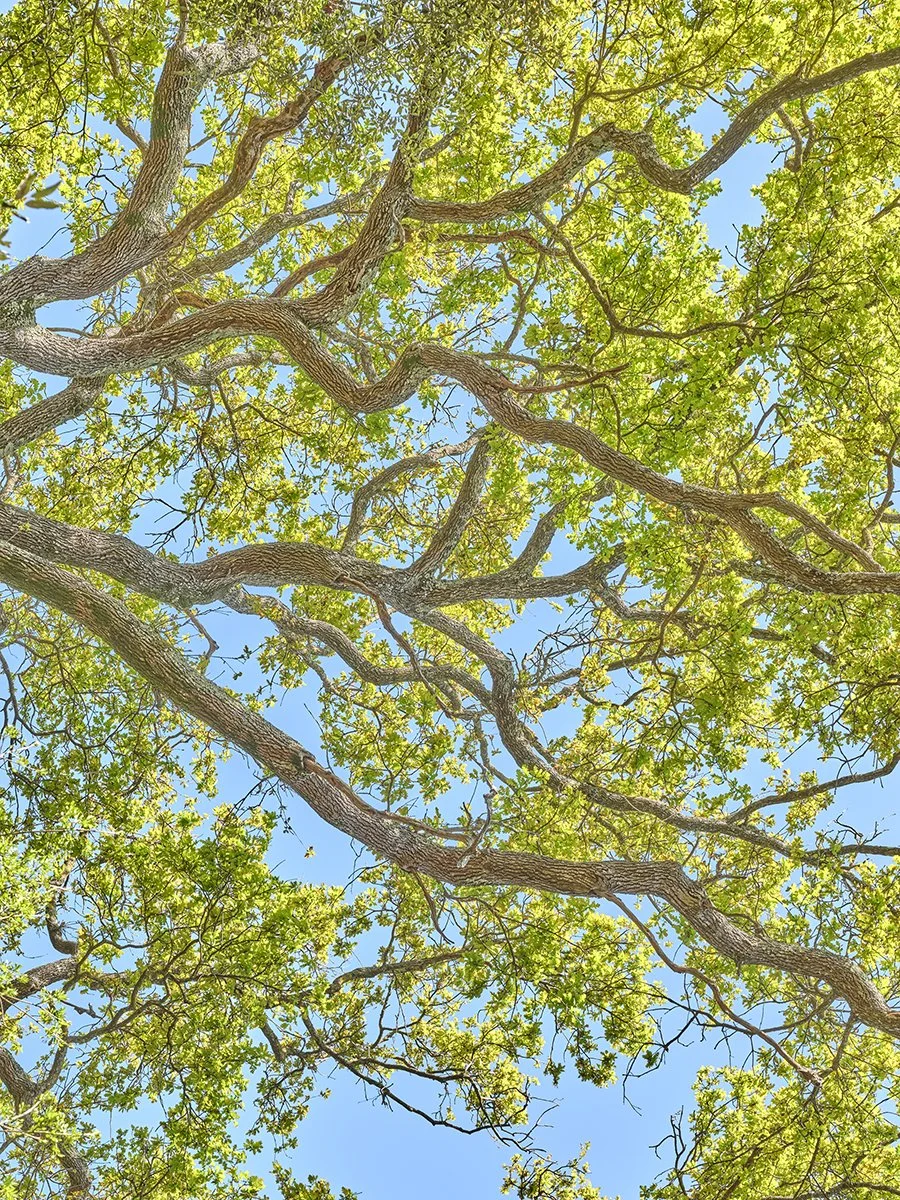
Quercus robur, 2020
Man mano che la ricerca procedeva, il discorso si arricchiva di nuove scoperte e antiche connessioni: la nostra cultura è così intimamente legata alle piante che, tra il fogliame degli alberi, si può viaggiare nel tempo seguendo i fili della nostra storia come si farebbe con un manuale.
Pensate alle querce: non esiste una grande società del passato che si sia sviluppata senza il loro aiuto; popolano lo spazio intorno a noi tanto quanto fiancheggiano il sentiero del tempo che ci lasciamo alle spalle. E si nascondono anche nelle nostre tasche – date un’occhiata: i centesimi di euro ramati coniati in Germania ne portano l’immagine, così come lo stemma araldico simbolo della Francia.
In sanscrito esiste una parola – duir – che in italiano si può tradurre con due significati: «quercia» o semplicemente «albero», senza distinzione alcuna, perché non ne serve: quello è l’albero.
Le lingue celtiche ne hanno adottato il termine, ed è per questo che la quercia si chiama dru e i druidi sono chiamati druidi.
In greco, invece, è drys, come le driadi, le ninfe ritenute immortali, proprio come questi alberi sacri a Zeus (e poi a Giove, e più tardi anche a Thor). Sono sempre stati considerati simboli di forza e saggezza, come quella di Elzéard Bouffier, il protagonista del racconto di Jean Giono L’uomo che piantava gli alberi, poche pagine che, una volta lette, resteranno con voi per sempre, come le querce.
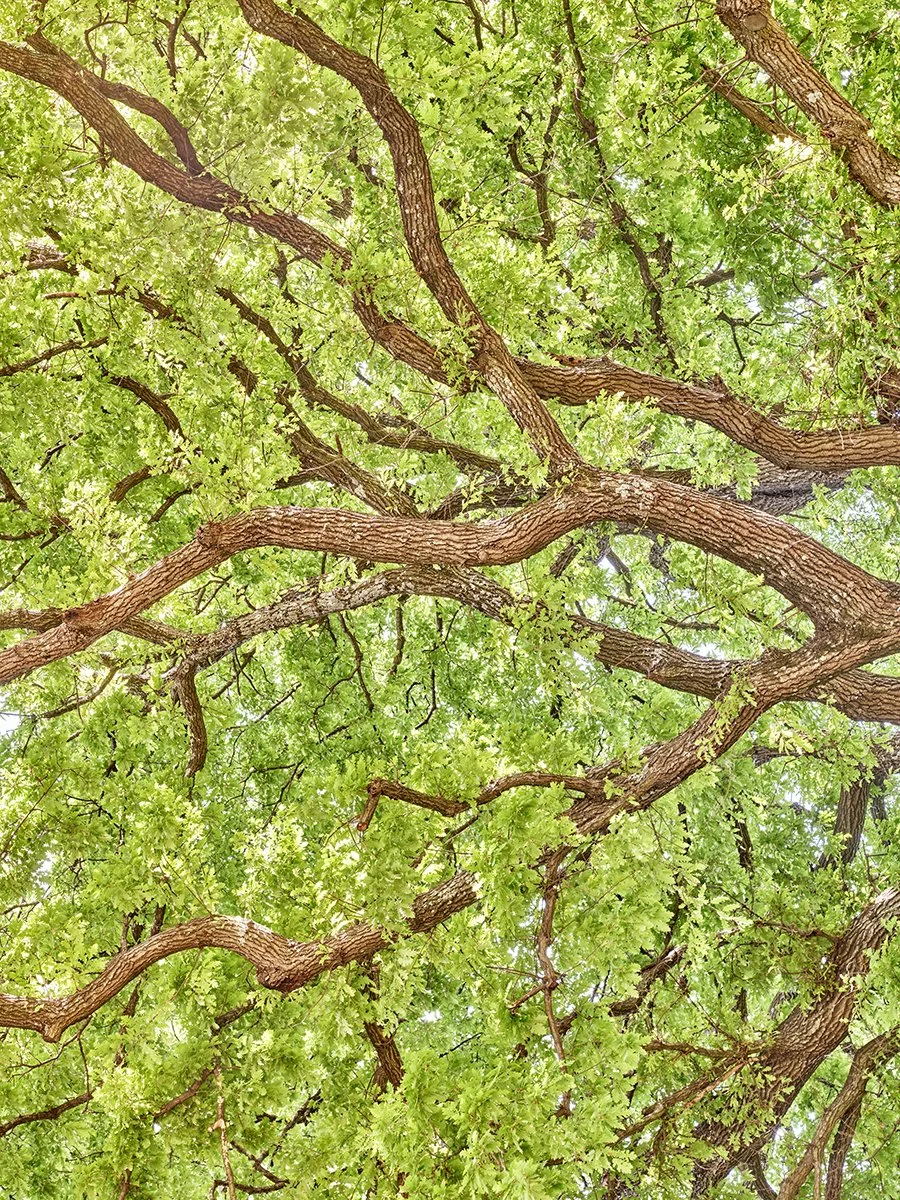
Quercus pubescens, 2020
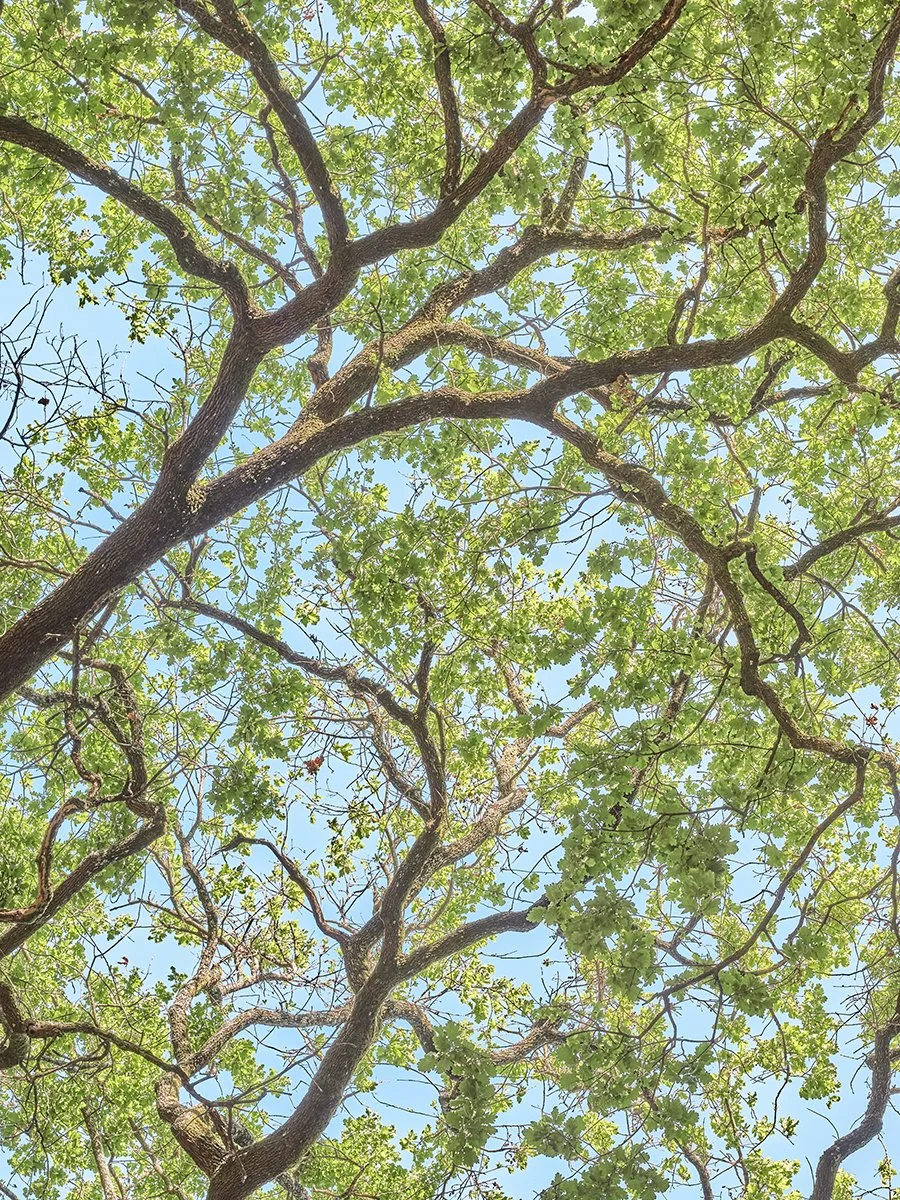
Quercus pubescens, 2020
Parlare di querce senza menzionare i tigli sarebbe una scorrettezza, almeno secondo i classici, che spesso su queste cose ci vedevano bene.
Questi alberi, in un modo o nell’altro, fanno sempre del bene a ciò che li circonda, persino al suolo in cui sono piantati; per tale ragione erano sacri ad Afrodite (Venere per i Romani, Freyja per i Norreni), la dea dell’amore.
Tra le molte storie narrate da Ovidio, ce n’è una nel Libro VIII delle Metamorfosi in cui Zeus ed Ermes vagano per la Frigia travestiti da mendicanti; volevano scoprire se gli esseri umani fossero buoni o malvagi. Così gli dèi si misero in cammino e bussarono porta dopo porta, venendo sempre rifiutati, finché non raggiunsero la modesta capanna dove vivevano Filemone e Bauci, una coppia che conduceva una vita semplicissima e altrettanto semplicemente offrì agli anonimi viandanti tutto ciò che aveva.
Soddisfatto per il trattamento ricevuto, Zeus decise di esaudire un loro desiderio, e la coppia chiese solo di rimanere unita anche nella morte. All’ora stabilita, Filemone e Bauci furono trasformati rispettivamente in una quercia e un tiglio, ma uniti da un unico tronco. La generosità di Zeus era rara, e per questo diede il posto d’onore all’albero a lui sacro, la quercia. A Bauci invece volle dare la forma di un tiglio, sottolineando in qualche modo l’importanza dei legami e degli affetti: quello orizzontale che univa i due esseri umani e quello verticale che lo legava ad Afrodite, sua figlia (secondo il racconto omerico), a cui il tiglio era dedicato.
Che si parli di Zeus, Giove o Thor, le principali divinità maschili europee sono sempre rappresentate da una quercia; se invece ci spostiamo nell’ambito femminile e prendiamo la dea dell’amore, che si tratti di Afrodite, Venere o Freyja, a loro si accosterà sempre un tiglio.
Anche nei giorni della settimana si conservano tracce di queste storie: in italiano, il giorno chiamato venerdì prende il nome da Venere, mentre nelle lingue germaniche lo stesso giorno è legato a Freyja – da cui l’inglese Friday e il tedesco Freitag.
Chiarito il legame tra la dea dell’amore e tigli, non sorprende che questi alberi si ibridino tra loro con grande facilità, dando vita a moltissime specie. In Italia quelle più diffuse sono il tiglio nostrano (Tilia cordata) e il tiglio selvatico (Tilia platyphyllos); ibridandosi danno origine al cosiddetto tiglio europeo (Tilia × europaea), uno degli abitanti più frequenti delle nostre strade.
A differenza di altri alberi, il tiglio si distingue per una dolce costanza di fondo che emerge in ogni aspetto del suo essere, compresa la crescita, lenta ma inarrestabile; può vivere mille anni, ma lo fa senza fretta: fino a circa 150 anni cresce in altezza, poi inizia a espandersi. Per questo è raro trovarlo nei boschi, dove specie con ritmi più veloci prevalgono facilmente.
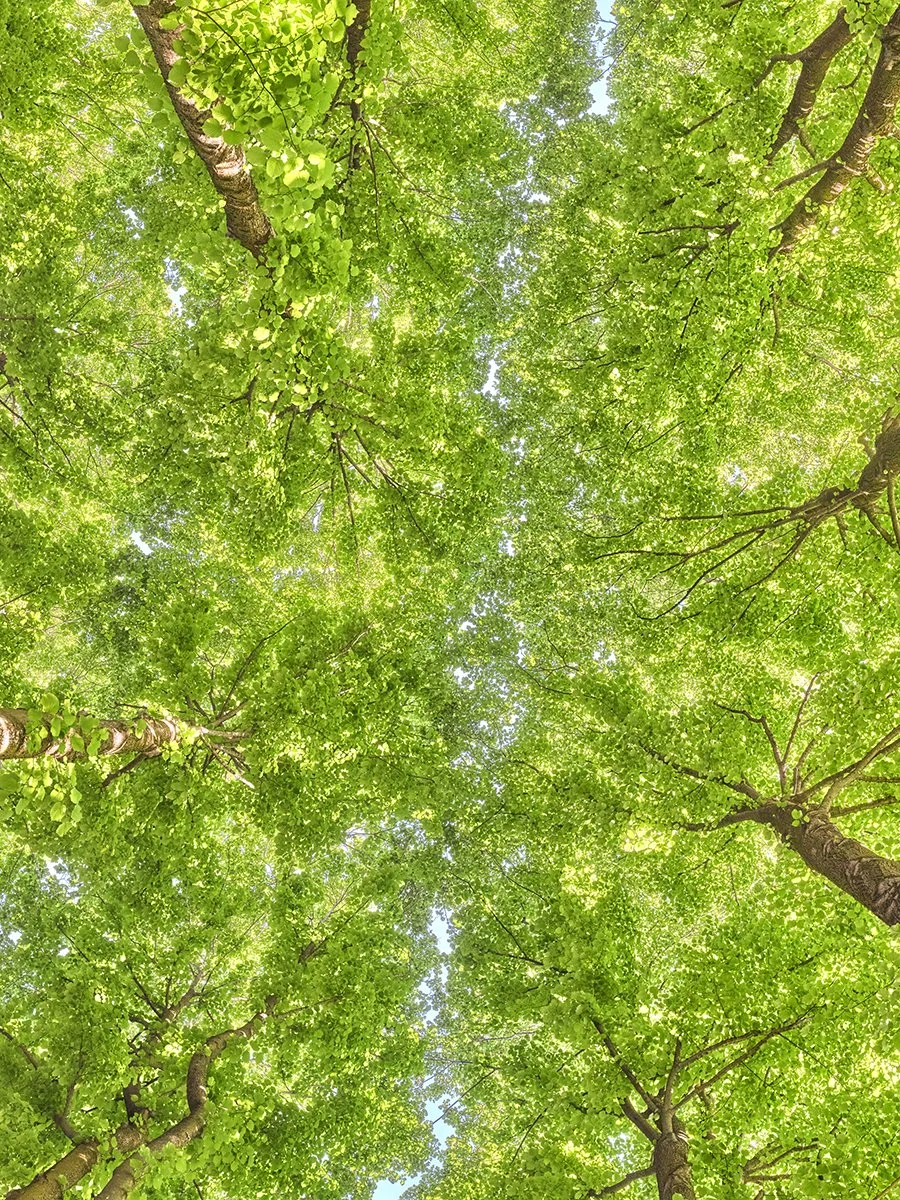
Tilia Spp, 2020
La parola papyrus deriva da un termine egizio che significa «regale» ed è una pianta che cresce nelle zone umide del Vicino Oriente e dell’Africa; in Italia cresce ancora spontaneamente nella provincia di Siracusa. Dalla lavorazione del suo midollo si ottenevano fogli incollati uno dopo l’altro per formare una lunga striscia arrotolabile: il nome latino di questi rotoli era volumen (quando si srotolavano in orizzontale – da cui l’uso del termine «volume» per i libri) o rotulus (quando erano verticali e più corti).
Oltre a essere un supporto per la scrittura, il papiro è stato usato per innumerevoli altri scopi: si può infatti mangiare, bere oppure fabbricarci oggetti come barche o bastoni. Il nostro legame con questa specie è così stretto che in inglese (paper), spagnolo (papel), francese e tedesco (papier), la parola «carta» deriva direttamente da questa pianta. In italiano, pur usando una parola diversa, l’origine è del tutto simile; carta viene dal latino charta, termine che indicava un singolo foglio – ovviamente di papiro.
Per comprendere quanto il papiro sia stato importante nella nostra cultura, basta un semplice confronto: se siete abbastanza esperti di tecnologia, è probabile che siano passati una ventina d’anni da quando avete iniziato a usare telefoni, tablet o dispositivi che richiedono di far scorrere un dito sullo schermo. Questo modo di scrivere ora ci appare del tutto naturale, eppure il tempo passato è niente in confronto ai quattromila anni durante i quali il papiro è stato usato per scrivere: dal III millennio a.C. fino al 1057, quando la cancelleria pontificia produsse l’ultimo documento su questo supporto. Uno dei problemi era la sua scarsa affinità con il territorio europeo, specialmente quello continentale; la nuova civiltà che si andava formando si sentiva più a suo agio lì che sulle coste meridionali del Mediterraneo, e questo rendeva ovviamente problematica sia la produzione che la conservazione del materiale.
Questa è la ragione principale per cui, poco alla volta, si passò alla pergamena (di origine animale) e poi alla carta moderna (di origine vegetale, sviluppata in Cina e portata in Europa dagli Arabi).
Ciò che resta evidente è che il supporto che ci ha accompagnati per più tempo da quando abbiamo iniziato a scrivere è ancora – e di gran lunga – il papiro.
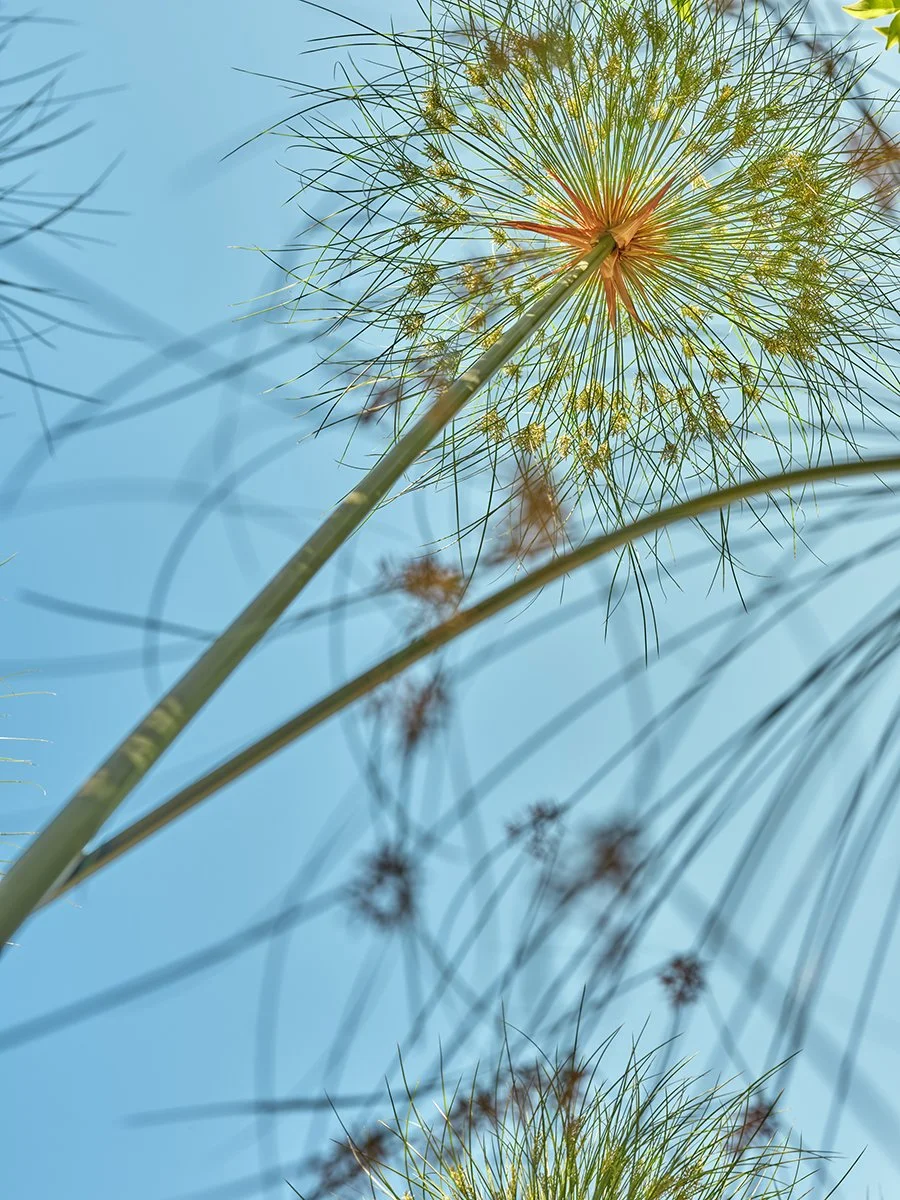
Cyperus papyrus, 2020
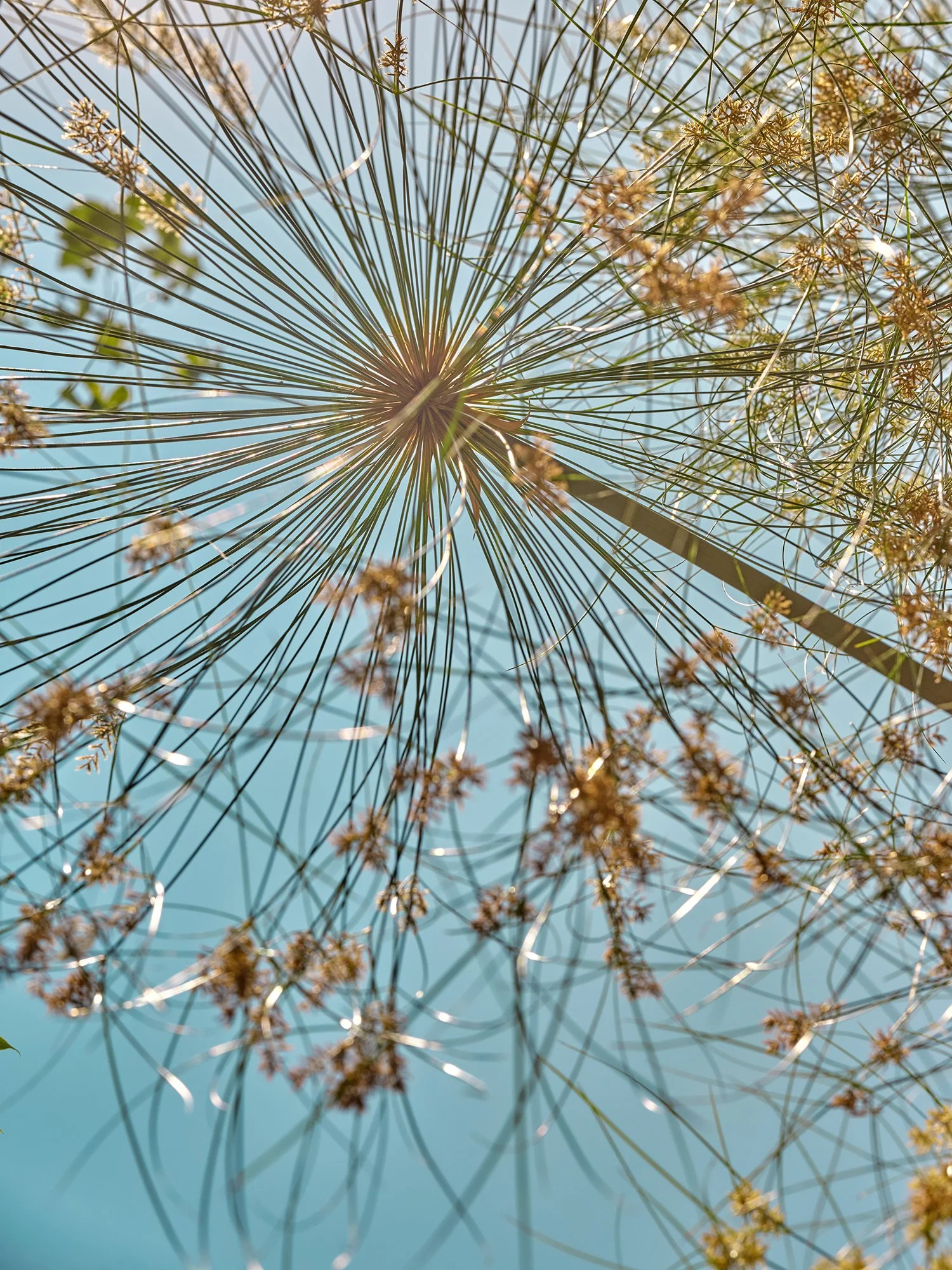
Cyperus papyrus II, 2020
Per il suo valore simbolico – oltre che per la sua straordinaria bellezza – il fiore di ninfea (Nymphaea alba) ha da tempo lasciato lo stretto spazio degli stagni per conquistare gli spazio decorati delle facciate delle chiese, dei capitelli e dei battisteri, al fine di esprimere nel modo più chiaro possibile l’idea di purezza immacolata; questo fiore non è macchiato né dalla terra né dalla polvere, cresce semplicemente lì, sull’immagine che il cielo proietta sull’acqua sottostante.
La Nymphaea alba non è solo un inno straordinario alla bellezza; nel corso dei secoli è stata usata anche per due scopi pratici e del tutto diversi. Dai suoi petali e dalle sue radici si possono estrarre grandi quantità di alcaloidi (nufarina e ninfaina), tanto che da essa si otteneva una sostanza che i monaci usavano – insieme al vino, naturalmente – per gli effetti sedativi e anafrodisiaci.
Vi sono però coloro che sostengono che i suoi effetti possano essere di natura opposta, cioè afrodisiaci; non è chiaro quale delle due versioni sia vera, bisognerebbe provare, sebbene sia probabile che i fattori decisivi risiedano nei rispettivi desideri che ciascuno porta dentro di sé.
Forse è proprio per tenere a freno il sangue caldo che la Nymphaea alba si trova spesso insieme alla Nuphar lutea, comunemente nota come ninfea gialla. Le sue foglie sono molto simili a quelle della bianca, così come si riscontra la presenza di alcaloidi. Qui l’associazione con l’alcol è così evidente che in inglese la pianta è chiamata colloquialmente “brandy bottle”; tuttavia, i destinatari di questi messaggi olfattivi non sono i clienti dei pub britannici, ma piuttosto gli insetti che in tal modo ne assicurano l’impollinazione.
La medicina europea antica sosteneva che la Nuphar lutea potesse eliminare qualsiasi appetito sessuale, per cui non sorprende che nel linguaggio dei fiori sia giunta a simboleggiare l’impotenza. Questa interpretazione piacque molto al clero medievale che, forse per timore di cedere a offerte eccezionali del diavolo, ebbe cura di esibire questo bel fiore come simbolo del celibato in due dei siti più importanti del cristianesimo insulare: l’Abbazia di Westminster e la Cattedrale di Bristol. Non è un caso che proprio nei secoli in cui questi due edifici straordinari furono eretti, l’undicesimo e il dodicesimo, il celibato clericale fosse oggetto di intensa pressione, sia da parte dei suoi oppositori che dei suoi sostenitori.
Questo dimostra ancora una volta come gli elementi vegetali – reali o scolpiti – possano conservare alcune delle tracce più importanti della nostra storia culturale.
Monet lo sapeva bene. A partire dal 1905, il pittore francese dedicò non meno di 250 tele al tema delle ninfee – e alla costante trasformazione della luce riflessa sull’acqua – creando una delle serie più importanti di tutta l’arte moderna e passaggio cruciale dall’arte moderna a quella contemporanea.
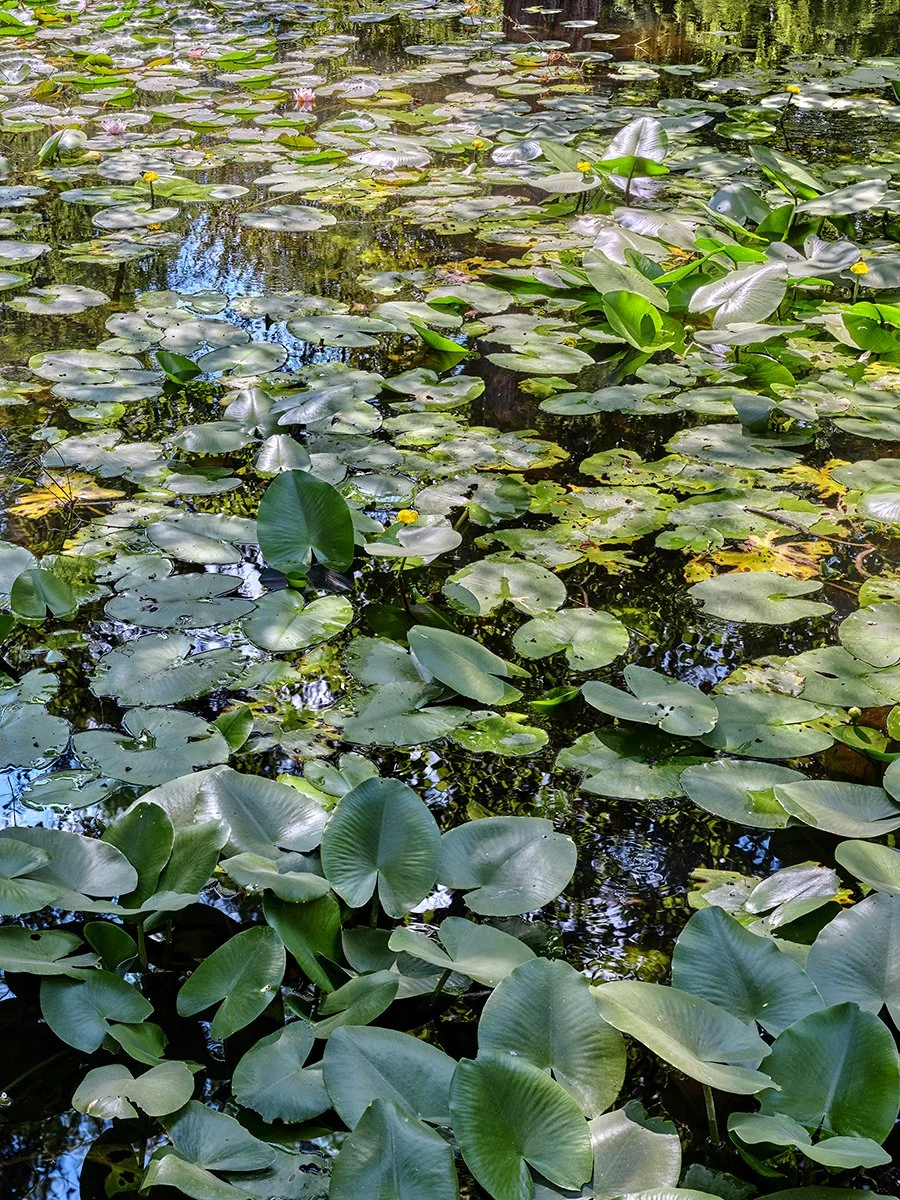
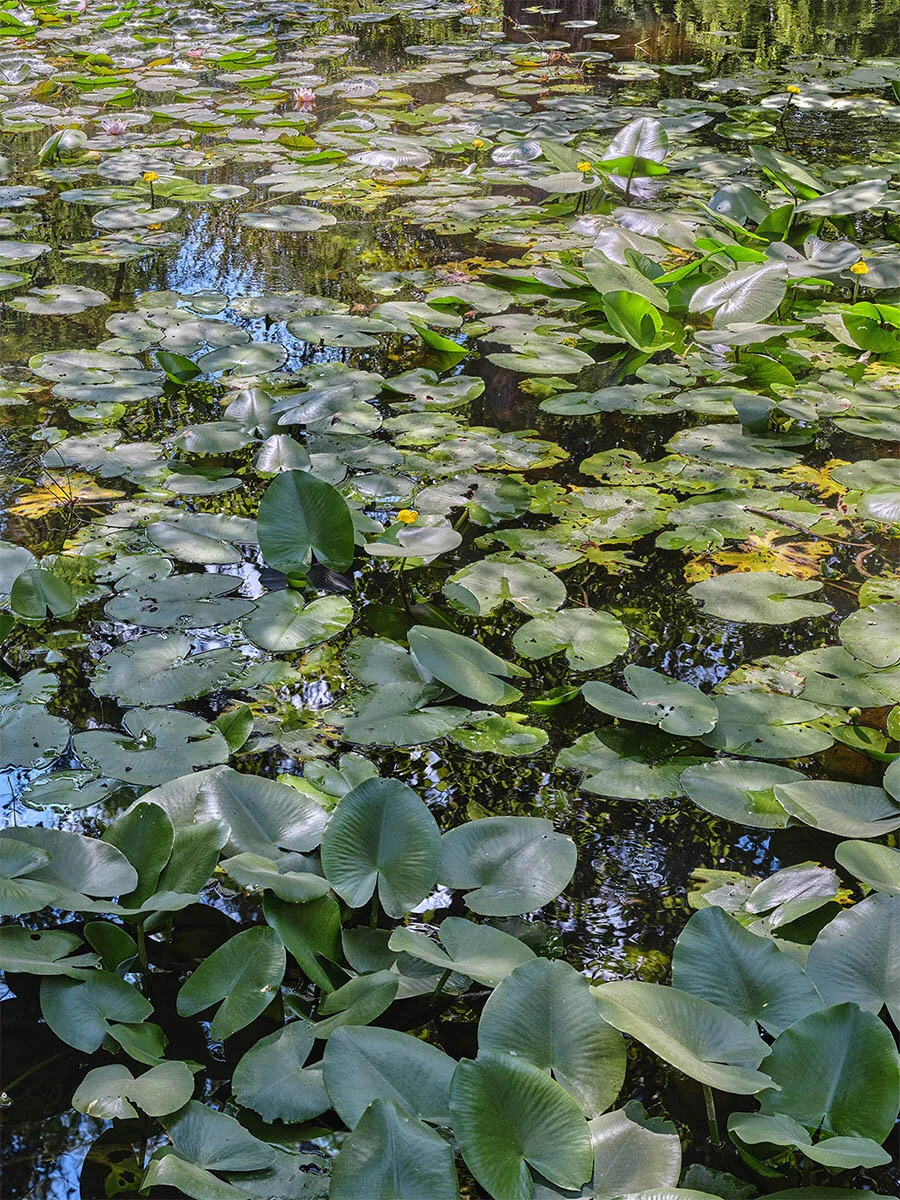
Nymphea alba + Nuphar lutea, 2020
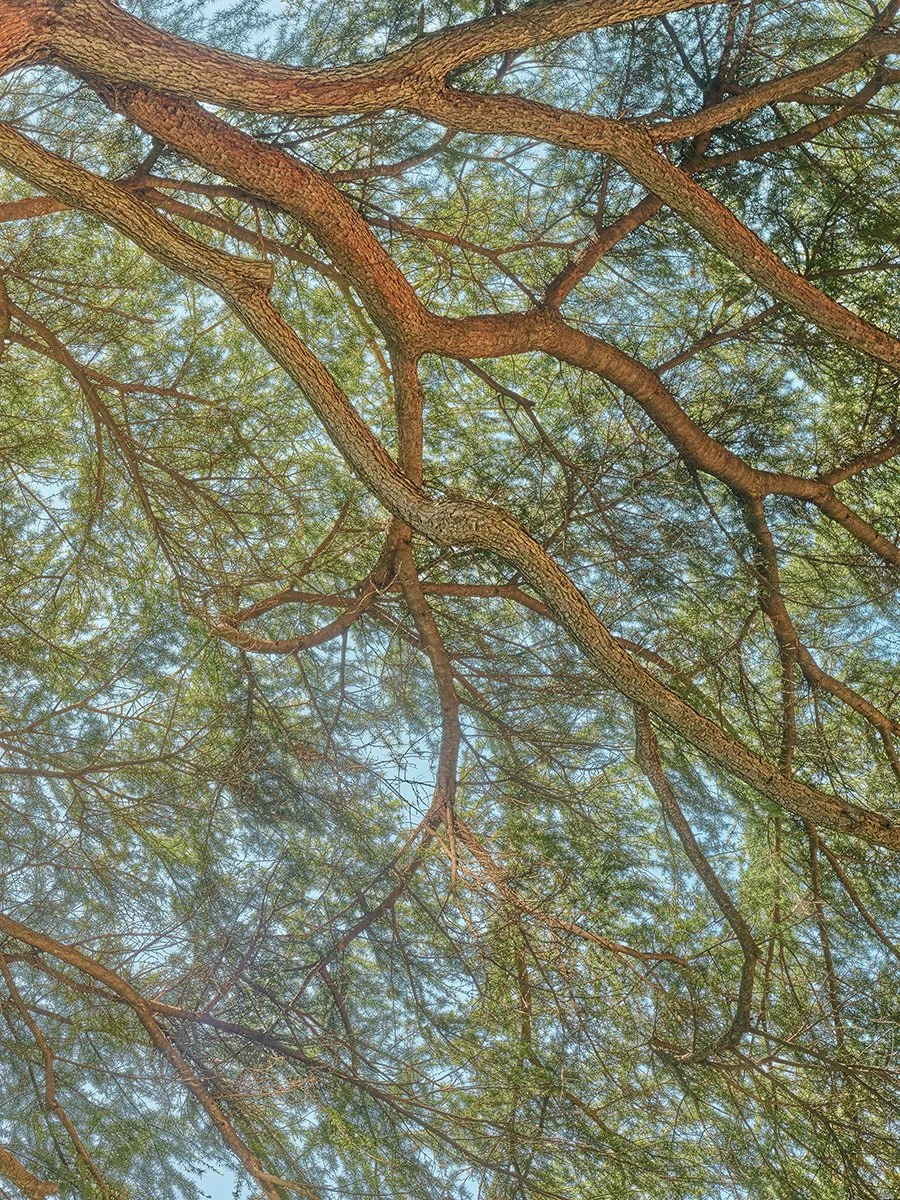
Himalayan cedar, 2020